Navigating the Holidays as a Caregiver: Finding Support, Skills, and Hope
We’ve entered what many parents and caregivers describe as the hardest stretch of the year—the holiday season. Whether you celebrate Christmas, Hanukkah, Kwanzaa, or simply feel the pressure of the festive months, this time of year carries expectations that can feel impossible to meet.
The holidays are painted as a season of celebration: family gatherings, office parties, dinners with friends, school events, and neighbourhood get-togethers. But for families living with mental health challenges, this season often brings something very different. The pressure to show up, smile, and create that picture-perfect holiday can feel overwhelming—for caregivers and for the loved ones they support.
For individuals who struggle with mental illness or emotional dysregulation, the holidays can mean navigating an exhausting stream of social expectations. And for caregivers, there is the added emotional weight of trying to manage both their loved one’s needs and the expectations of extended family, friends, and community.
At EmotionsBC, many of our families tell us they quietly dread this time of year. They want the warm, joyful holiday shown in movies. They feel the pressure from others to make sure their child, partner, or loved one “shows up,” even if they are “just a little depressed.” They fear being judged. And often, they carry the emotional fallout—alone.
“The pressure is incredible,” says Karen, an EmotionsBC participant. “My son finds social gatherings so stressful and will often fully meltdown as we’re heading out for Christmas dinner. In the early days, I tried to pressure him to ‘save face’ with my family. I hated feeling judged that we couldn’t pull off a simple family meal. The more I begged and pushed, the worse it got. We’d end up arriving hours late, exhausted and ashamed.”
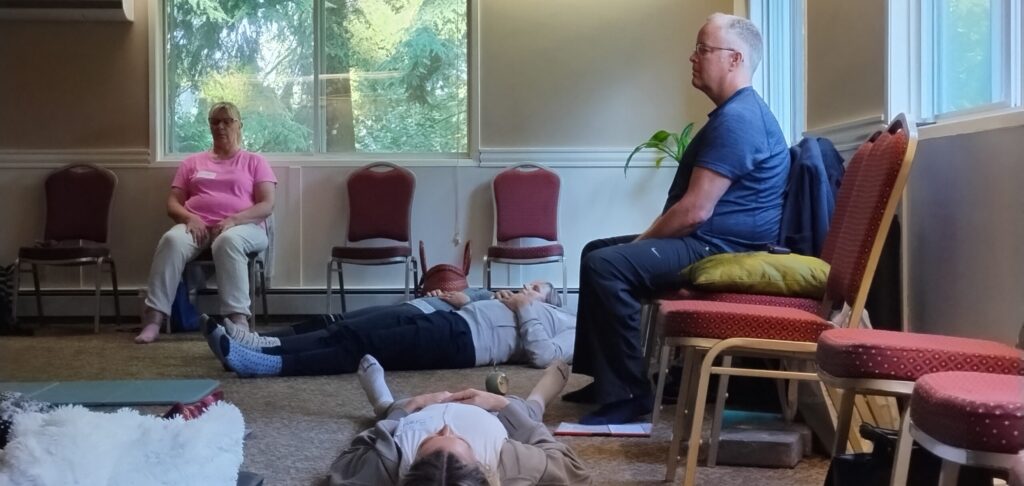
Stories like Karen’s are common in our peer support groups. The expectations of the season—combined with the unpredictability of mental health challenges—can make caregivers feel more isolated than ever. That’s one of the reasons we offer additional supports through the holidays, including a dedicated holiday gathering for caregivers. It’s a chance to sit with people who truly understand, to share what’s hard, and to check in on whether we’re using the skills that help us stay grounded in difficult moments.
For Karen, two skills from the EmotionsBC Essential Skills Program have been especially transformative: radical acceptance and boundary setting.
“First, I have to radically accept that Christmas isn’t going to look the way I want it to look,” she explains.
“When I let go of that picture-perfect vision, I make better decisions. And boundary setting is critical—whether with my son or with family members who create extra pressure. I have to communicate what’s ok and what’s not.”
With more realistic expectations, Karen found she could be more present for her son. He, in turn, felt more understood and supported. And together, they began to experience more calm, connection, and even moments of joy throughout the holidays.
This is the hope we want every caregiver to carry into the season: You are not alone. Your struggles are real. Your feelings make sense. And with the right skills and support, the holidays can become more manageable—and even meaningful.
If this time of year feels heavy, consider joining one of our caregiver support groups or attending our holiday gathering. Sharing the experience with others who understand can bring relief, validation, and a renewed sense of strength.
At EmotionsBC, we’re here to walk beside you—this season, and every season after.